Microplastic Dangers: Scientists Discover New Chemical Reactions in Water
A study by American researchers has shown that microplastics can trigger dangerous chemical reactions when coming into contact with ordinary water.
 👥Society
Photo: TSN
Key points
- Microplastics trigger chemical reactions upon contact with water
- Generated radicals can damage cellular structures and DNA
- Polyethylene and polypropylene proved to be the most active
The issue of environmental plastic pollution continues to reveal alarming scientific insights. Recent research by specialists from Columbia University and the University of California, Berkeley demonstrates that tiny plastic particles are not merely passive debris, but are capable of active chemical interaction directly in aquatic environments.
Chemical Activity at the Interface
Upon contact with moisture, reactive oxygen species, particularly hydroxyl radicals, form on the surface of microplastics. These compounds can adversely affect living cells by damaging proteins and DNA. Scientists tested six common types of material, including polyethylene, polypropylene, and polystyrene, and observed this effect across all samples, albeit with varying intensity.
Polyethylene and polypropylene showed the highest activity due to their water-repellent properties. Meanwhile, PET, used for standard beverage bottles, and acrylic demonstrated weaker activity. However, as items break down into smaller fragments, the total surface area increases, thereby compounding the potential risk.
Impact on Living Organisms and Household Risks
Laboratory tests involving biological structures confirmed these risks: specifically, when mouse red blood cells came into contact with polystyrene, the cells deformed and ruptured. Everyday sources of such particles can include washing synthetic fabrics, heating food in plastic containers, or storing bottled water under direct sunlight.
Source TSN — tsn.ua/zdorovya/mikroplastyk-vyiavyvsia-nebezpechnishym-niz-vvazaly-shc… ↗
Read next
 🛡️Security
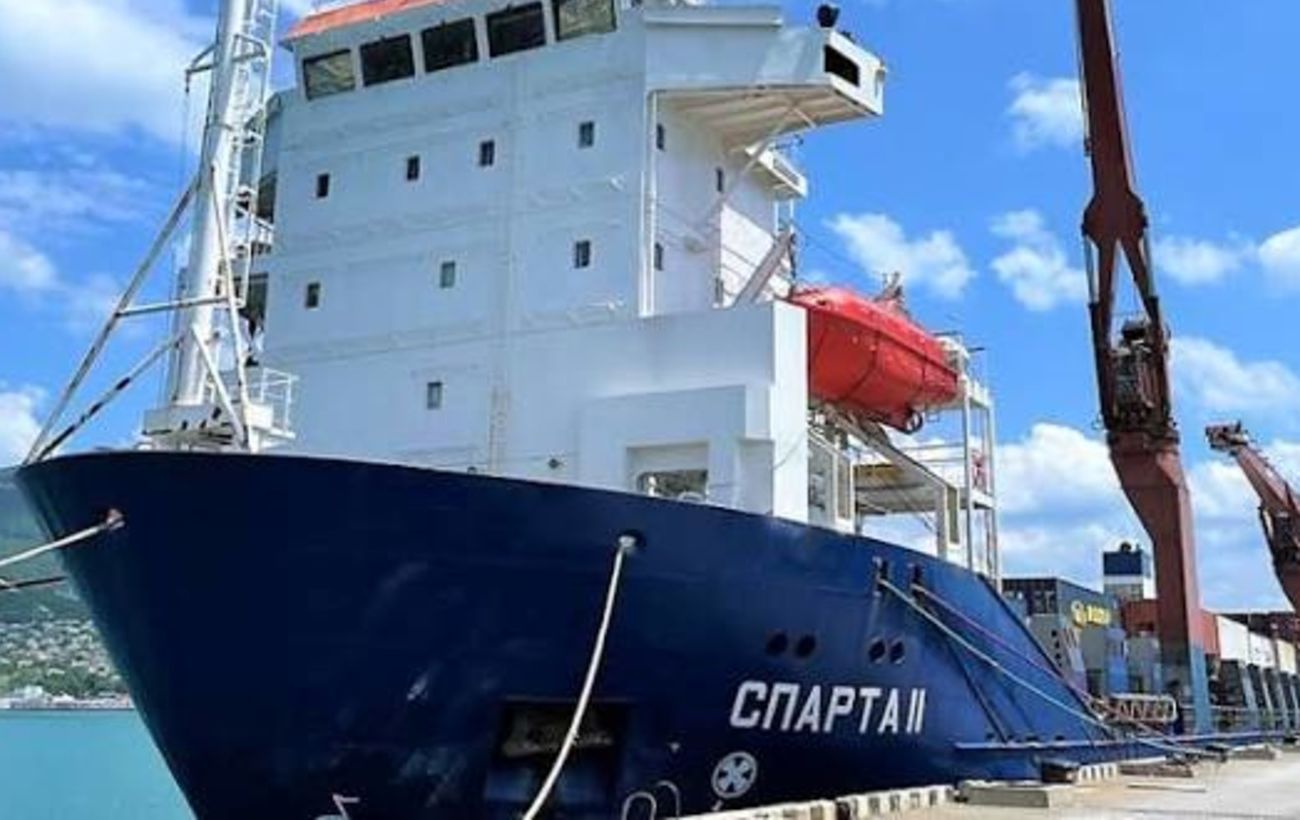
Russian Vessel Sparta II Catches Fire in Gulf of Finland After Ukrainian Drone Attack
The Finnish Coast Guard is extinguishing a fire on the Russian cargo vessel Sparta II, which was damaged by Ukrainian drones and drifted into Finnish territorial waters.
 🧠AI Analysis
Aftermath of Night Strike in Kyiv Region: Search Operations Underway in Dymer
A hostile drone attack on the town of Dymer in the Kyiv region hit an apartment building, leaving 14 residents unreachable.
 🧠AI Analysis
The Philosophy of Repair: Why Ukrainian Cities Are Shifting from Future Plans to Daily Maintenance
Modern realities require Ukrainian communities to shift their focus from grand projects to the crucial, often invisible work of repairing damaged infrastructure.
 🎓Education
American singer Miley Cyrus secretly marries musician Max Morando
Popular pop star Miley Cyrus has officially tied the knot with Liily drummer Max Morando during an intimate ceremony in California.
 🎓Education
Ukrainian tennis players Elina Svitolina and Marta Kostyuk nominated for prestigious WTA season awards
Renowned Ukrainian athletes Elina Svitolina and Marta Kostyuk have been shortlisted for the annual Women's Tennis Association (WTA) awards following successful performanc…
 🧠AI Analysis
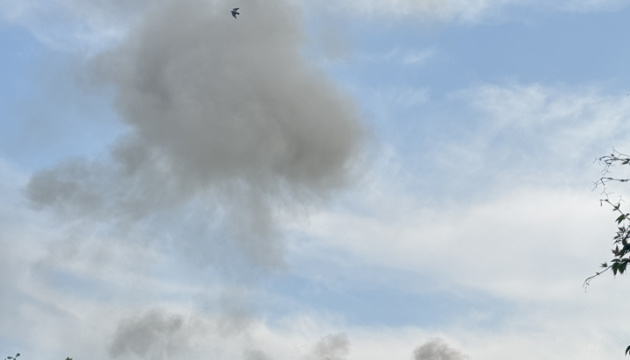
Enemy attacks energy infrastructure in Zhytomyr region four times a day
Russian forces carried out four drone strikes on energy facilities in the Zhytomyr region within 24 hours, attempting to cut off electricity and heating.