History of the Calendar: Why We Celebrate New Year on January 1st
We explore the historical origins of New Year celebrations and the reasons why January 1st became the universally accepted date.
 👥Society
Photo: TSN
Key points
- Julius Caesar established January 1st as the start of the year in 46 BC.
- The Gregorian calendar became the international standard in 1582.
- The month's name is derived from the god Janus, symbolizing transitions.
The tradition of welcoming the New Year on January 1st has deep roots dating back to Ancient Rome. Although various civilizations throughout the millennia chose dates for celebration based on natural cycles, such as the spring equinox or the flooding of the Nile, it was the Julian calendar, introduced by Julius Caesar, that established January as the start of the annual cycle.
From Janus to the Gregorian Calendar
The name of the first month of the year comes from the Roman god Janus, who symbolized transitions and new beginnings. He was traditionally depicted with two faces looking into the past and the future, which perfectly matches the essence of the New Year holiday. However, even after Caesar's reform, celebration dates in medieval Europe remained inconsistent, ranging from Christmas to the Annunciation.
Unification occurred only after the introduction of the Gregorian calendar by Pope Gregory XIII in 1582. This system proved so accurate that it eventually became the international standard for civil timekeeping, finally establishing January 1st as the official beginning of the new year.
Each bell toll in Japanese temples symbolizes the shedding of human passions that hinder harmony.
Today, the world celebrates the holiday considering diverse cultural traditions: from the Spanish custom of eating grapes for luck to the Scottish tradition of the "first-footing." These rituals underscore the human desire to fill the beginning of the calendar year with symbolism and hope for a better future.
Source TSN — tsn.ua/tsikavinki/koly-sviatkuiut-novyy-rik-chomu-data-prypadaye-na-1-s… ↗
Read next
 💼Economy
National Bank of Ukraine raises official exchange rates for dollar and euro
The NBU set new official exchange rates for November 24, reflecting an increase in the value of both the dollar and the euro.
 💼Economy
National Bank Weakens Hryvnia: Official Exchange Rates Set
The National Bank of Ukraine has updated official exchange rates, showing a slight decrease in the hryvnia against the dollar and euro.
 🧠AI Analysis
Massive Strikes on Ukraine's Infrastructure: Regional Security Implications
Russian forces carried out a fresh series of attacks targeting Ukraine's railway and energy infrastructure, resulting in six deaths and dozens of injuries. The strikes hi…
 💡Tech
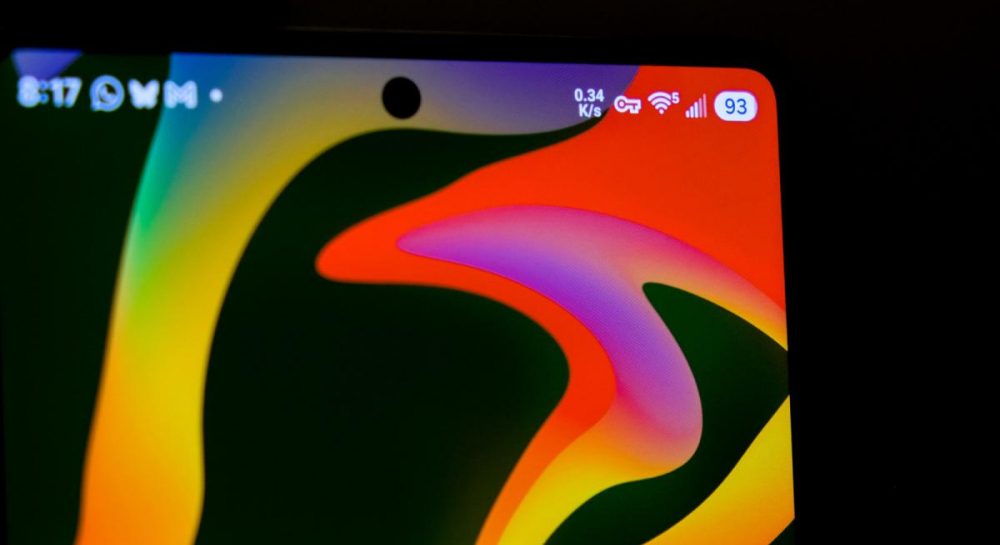
Key Icon on Android Screen: What It Means and How to Remove It
The appearance of a small key symbol in the top panel of Android smartphones often raises questions, but this indicator actually confirms an active and secure VPN interne…
 🛡️Security
Russia Expands Military Infrastructure 60km from Finnish Border
Satellite imagery reveals significant reconstruction at the Kamenka garrison near the Finnish border, aimed at housing an expanded motorized rifle division.
 🇺🇦Ukraine
Munich to Repurpose Former BMW Offices as Housing for Ukrainian Refugees
Munich city authorities have leased part of a former BMW administrative complex to accommodate 600 refugees, primarily from Ukraine.